How to Get Your Full Japanese Pension Refund When Leaving (¥300,000-500,000 Average)

CEO / Native Japanese Expert
Updated on: December 7, 2025
Complete guide for foreigners leaving Japan to claim their full pension refund. Learn how to recover the "missing 20%" that most people abandon—including tax refund procedures and appointing a tax representative.

🚀 Preparing to Leave Japan?
Set up your Wise account to receive your pension refund. Avoid high bank fees and get the real exchange rate when transferring funds to your home country.
"I paid into the Japanese pension system... is that money just gone?"
Many people think this, but the truth is different. Foreigners who worked in Japan can claim back a large portion of their pension contributions as a "Lump-sum Withdrawal Payment" when they leave the country. However, there is a common trap: "If you do nothing extra, you only get 80% back."
The remaining 20% is withheld as "Income Tax," but you can get this back too if you follow the correct procedure (filing a tax return).
For an average company employee (5 years of service, monthly salary of ¥300,000), you could potentially get back a total of about ¥1.65 million. This is significant funding for starting your new life back home.
In this article, we explain the timing, necessary documents, and the specific steps to get back that "remaining 20% tax" that many people give up on.

1. How Much Will You Get Back? Formulas and Examples
First, let's visualize how much money you can recover. The amount depends on whether you were enrolled in "Employees' Pension (Kosei Nenkin - Company Employees)" or "National Pension (Kokumin Nenkin - Freelancers/Students)" and your "Coverage Period (up to 60 months)."
Employees' Pension (Kosei Nenkin)
For company employees, this applies to the pension deducted from your monthly salary. The calculation is a bit complex, but roughly it is "Average Monthly Salary × Payment Rate."
Let's simulate a case where you worked for 5 years (60 months) with a monthly salary of ¥300,000.
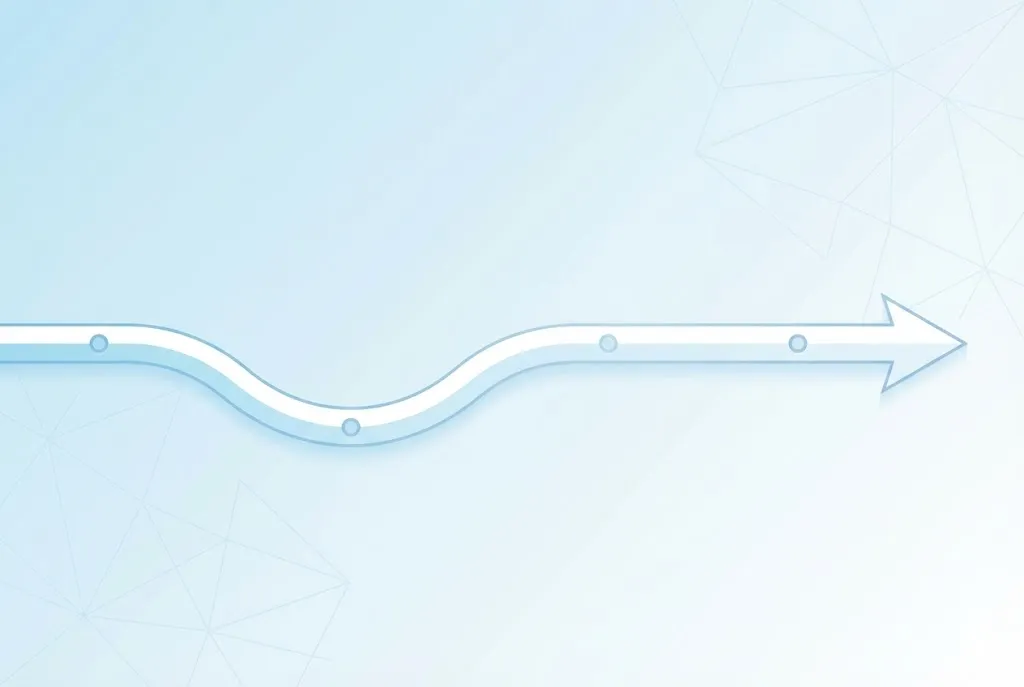
- Total Grant Amount (Gross): ¥1,650,000
- This is the full amount you are entitled to.
- [Step 1] Amount Transferred After Leaving (approx. 80%): ¥1,313,070
- This is the cash you get first. From the total, 20.42% (¥336,930) is automatically deducted as income tax.
- [Step 2] Amount Recovered via Tax Return (approx. 20%): ¥336,930
- Many people ignore this step and throw away ¥330,000. If you perform the separate procedure, this money is yours too.
- Total Received: ¥1,650,000
National Pension (Kokumin Nenkin)
For freelancers and students, the National Pension refund is a "fixed amount" based on the coverage period. Based on the FY2024 standards (from April 2024):
- 36 months (3 years) coverage: ¥298,620
- 60 months (5 years) coverage: ¥497,700

💸 Are you losing thousands of yen on your refund?
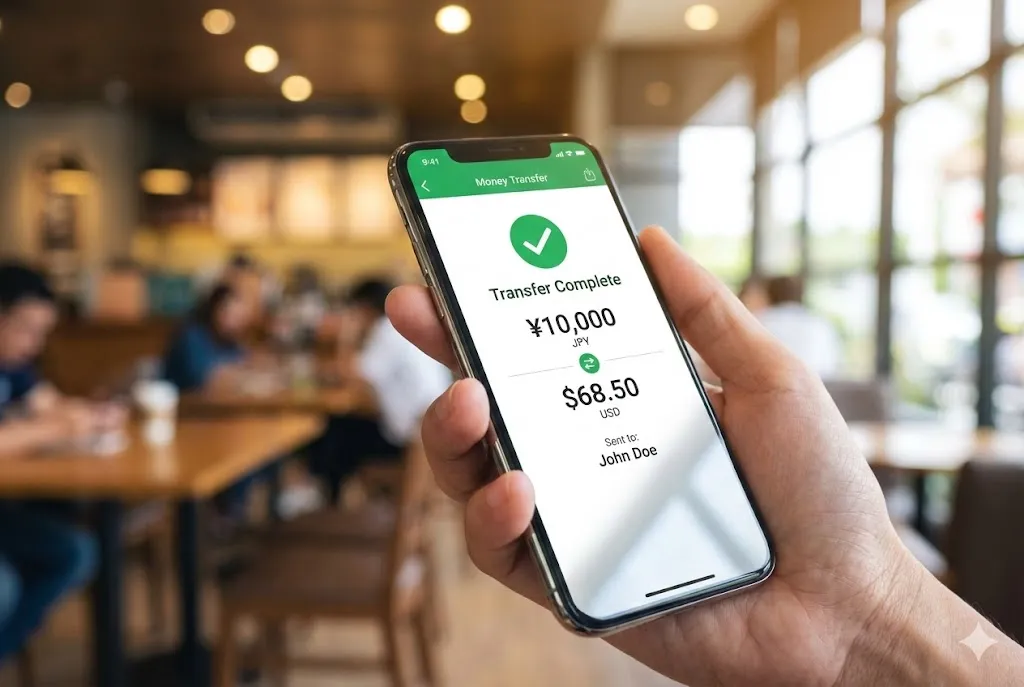
Overseas remittances via major banks have high fees. With Wise, you get the real exchange rate (mid-market rate), meaning you could receive over ¥10,000 more in your local currency. Creating an account is free.
2. Absolute Conditions and the "Statute of Limitations"
To receive the Lump-sum Withdrawal Payment, you must meet all four of the following conditions:
- Do not possess Japanese citizenship
- Do not have a domicile in Japan (Must have submitted a "Moving-out Notification" to the city hall)
- Have been enrolled in the public pension system for 6 months or more
- Do not have the right to receive pension benefits (e.g., coverage period less than 10 years)
Warning: 2-Year Time Limit
This is the most critical point. If you do not claim it within 2 years of leaving Japan (losing your domicile), your right to the refund expires.
There are endless horror stories of people thinking "I'll do it once I settle down," only to realize 2 years have passed.
Disadvantage: Coverage Period Resets
When you receive the Lump-sum Withdrawal Payment, your pension coverage period resets to zero. If you plan to return to Japan in the future and apply for Permanent Residency, having your pension history wiped clean could affect the screening process.
3. [Step 1] Claiming the 80% "Lump-sum Withdrawal Payment"
First is the procedure to get back the initial 80%. This is relatively simple and can be done by yourself.
When to do it?
While it is possible to mail it from within Japan before you leave, the application will only be processed after you have submitted your "Moving-out Notification" ([translate
]) and your resident registration is deleted. Therefore, mailing it from overseas immediately after returning home is the standard and safest method.Necessary Documents
Mail the following 4 items to the "Japan Pension Service."
- Lump-sum Withdrawal Payment Application Form (Downloadable from the Pension Service website)
- Passport Copy
- Page with your photo
- Page with the "Departure Stamp" (Important!)
- Bank Account Document
- Document confirming "Bank Name," "Branch Name," "Account Number," and "Account Holder Name."
- You can use a Proof of Account document from Wise (TransferWise).
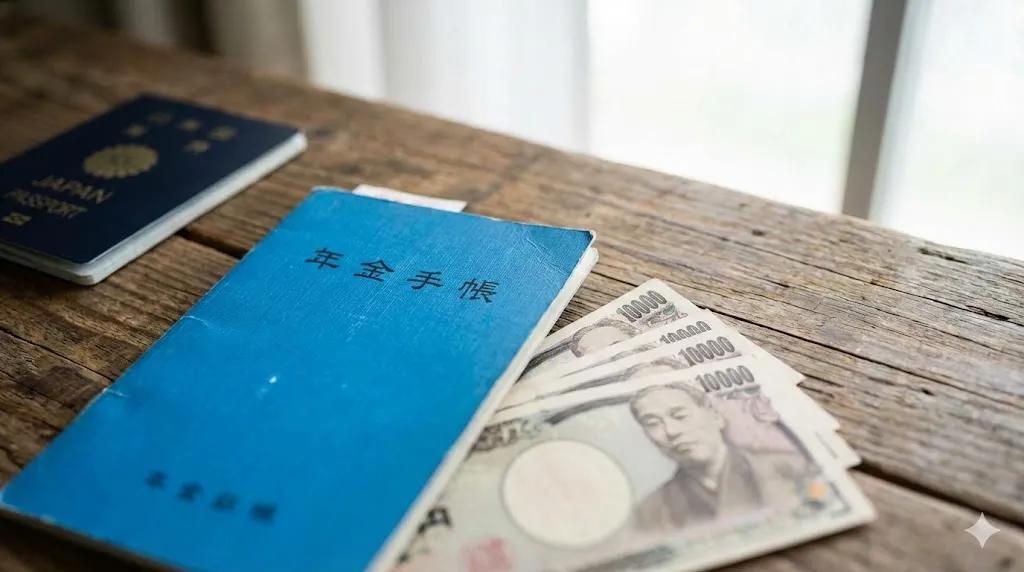
- Pension Book (Original)
- You must enclose the original blue or orange booklet, not a copy. The booklet will not be returned.
:::ReviewBox{author="Reddit/SNS Voices" rating="4.5" title="Pension Refund Failures" text=""If the bank account name (middle name) differs by even one letter from your passport, the transfer will fail without mercy. Wise is recommended because you can easily match the names." (r/JapanLife)\n\n"I went through the automated gate at the airport and forgot to get a stamp! In that case, you need your boarding pass stub, so absolutely do not throw it away!" (r/JapanTravel)"} :::
How long does it take?
It takes an average of 4 to 6 months from mailing the documents until the money is deposited. Be patient.
4. [Step 2] Claiming the Remaining 20% "Tax Refund"
This is the main event. When the money from Step 1 is deposited, you will simultaneously receive a postcard called "Notice of Lump-sum Withdrawal Payment Determination" ([translate]).
Do not throw this postcard away!
This is your ticket to getting back the 20.42% tax (e.g., ¥330,000) that was deducted.
Why is 20% deducted?
The Lump-sum Withdrawal Payment is considered "Retirement Income." Since it is paid to a non-resident, a flat 20.42% income tax is withheld at the source. However, by filing a tax return for this as "Settlement of Retirement Income," you can claim a refund for this overpaid tax.
The Only Way to Get It Back: Tax Representative ([translate])
Since you are no longer in Japan, you cannot go to the tax office yourself to file. You need to appoint a "Tax Representative" to handle the procedure for you.
Who to ask?
- A trusted friend or former colleague in Japan
- Pros: Free.
- Cons: Burdens your friend with visiting the tax office. The refund goes into your friend's account first, which can cause trouble when transferring it to you.
- Paid Proxy Service (Administrative Scrivener/Tax Accountant)
- Pros: Reliable and easy.
- Cons: Costs money (usually 10%-20% of the refund amount, or a fixed fee of several tens of thousands of yen).
Concrete Steps
- (Before Leaving) Submit the "Declaration of Tax Representative" to the tax office (if asking a friend).
- (After Leaving) Mail the original "Notice of Determination" (received from the Pension Service) to your Tax Representative in Japan.
- (Filing) The Tax Representative goes to the district tax office to file the tax return ([translate]).
- (Refund) About 1-2 months later, the tax refund is deposited into your Tax Representative's Japanese bank account.
- (Transfer) Have your Tax Representative transfer the money to your overseas account.
5. Three Preparations Before Leaving Japan
To ensure you get the full amount back smoothly, make sure to do these three things before leaving Japan.
- Decide on a Tax Representative:
- It is very troublesome to find a friend and exchange documents after you have returned home. Ask someone before you leave, and ideally, go to the tax office together to submit the declaration.
- Secure your Pension Book (Basic Pension Number):
- Is your company still holding it? You need the original. If you have lost it, reissue it at a Pension Office immediately.
- Open a Receiving Account (Wise):
- Japanese bank accounts often must be closed when you become a non-resident. If receiving via a foreign bank account, exchange fees and lifting fees are high. Using Wise maximizes the cash you actually receive.

📋 Is your departure prep complete?
Besides pension, there are residence tax payments, bank account closures, SIM card cancellations... the list is endless. Check our 'Complete Leaving Japan Checklist' to avoid panic.
Frequently Asked Questions (FAQ)
Q: What if I plan to re-enter Japan? A: If there is a possibility you will return to work in Japan within 1-2 years, it might be better not to claim it. Claiming it resets your coverage period, meaning your count for Permanent Residency or old-age pension eligibility (principally 10 years) starts from zero again.
Q: Will my company handle this for me? A: No. The Lump-sum Withdrawal Payment is a completely personal procedure. Your company only handles the loss of social insurance qualification; you must do the refund application yourself.
Q: Can I receive it in my Japanese bank account? A: Possible, but not recommended. You usually need to close your account upon leaving, and even if you keep it, transferring the money overseas later involves high fees and hassle. Designating an overseas account (or Wise) from the start is smoother.
Conclusion
The pension refund is not just a bonus. It is money you earned and accumulated while working hard in Japan.
The procedure is a bit complex and takes time, but abandoning the right to get back ¥300,000 to ¥500,000, or even over ¥1 million, is a huge waste.
Start by finding a "Tax Representative" and creating a Wise account before you leave. Wrap up your life in Japan in the black with this final job.
🚀 Receive Pension & Send Money with Wise
Designate Wise as your receiving account to avoid high lifting fees and receive funds smoothly in your local currency.
Need help with life in Japan?
Visa, housing, work, money... Our experts are here to support you.
Check Support ServicesDisclaimer
※ The information in this article is accurate as of the time of writing. Laws and regulations may change, so please always check official sources for the latest information. We assume no liability for any damages resulting from the content of this article.